24 February 2026
Finding her calling
One of our Early Learning Interventionists describes her journey from supporting her child at home to joining us at Chapter One

Every child deserves individual attention when they're learning to read. But as our Early Literacy Interventionist Farida Rahman discovered during her years working in primary schools in Lambeth, that's far easier said than done in a classroom of 30. Here, she shares the journey that brought her to Chapter One — and why personalised support changes everything.
My exploration of early literacy education started during the pandemic lockdowns, coinciding with my daughter's time in Reception class. Like many parents, I found myself trying to work out how best to support her learning at home.
I threw myself into learning. I asked my daughter's teacher for demonstration videos, attended teacher meetings to learn how phonics is taught, and I put together worksheets and lesson plans using online resources. It was harder than I expected, but it also sparked a passion for literacy education that would end up shaping my career.
My first proper teaching experience came at a nursery, where I led circle times and focus sessions. Even without much experience, I could see how making learning fun and accessible matters enormously for young children. Helping children love learning was just as important as teaching them specific skills.
When lockdown restrictions eased, I was excited to be given a position at a primary school in Lambeth, an area with many disadvantaged pupils. The role went on to become a permanent Year 2 teaching assistant position, and each morning I taught phonics to groups of 20 or more children from Years 1 and 2, then ran afternoon interventions for pupils who needed extra support.
During this time, I also trained as an emotional literacy support assistant, which added an important pastoral dimension to my work. I worked with children who found it difficult to express their emotions and needs, helping them find the right words to articulate their feelings and teaching them ways to regulate their emotions and communicate more effectively. Children who felt safe and understood, and who had the language to express themselves, were so much more ready to learn.
This period was brilliant for developing my skills. I became confident with pure sound pronunciation, learnt different phonics schemes, and found many ways to make learning engaging. But I also started noticing a real limitation: there simply wasn't enough time to give every child in a class of 30 the individual attention they needed. I could see potential in so many pupils, but the reality of whole-class teaching meant that it often wasn't fully developed.
I started volunteering to support individual children with online phonics lessons after school. The results spoke for themselves - the pupils I tutored were achieving perfect scores on their Phonics Screening Check. This confirmed what I'd been thinking: personalised, consistent support is key to helping each child reach their potential, yet the structure of mainstream education makes truly individual support nearly impossible.
This realisation led me to discover Chapter One's Early Literacy Intervention Programme. Chapter One’s approach aligns with everything I'd learnt about individualised support, evidence-based practice, and a commitment to helping children who face the biggest barriers to learning. I joined the programme and now work across two schools: one in Southwark with Reception children, and one in Lambeth with Year 1 pupils.
Each part of my journey has fed into my ELI role. Chapter One's ELI model allows me to bring all of this together and provide the kind of personalised attention that simply isn't possible in a classroom of 30, no matter how dedicated the teacher. It's rewarding work that makes a tangible difference to the children who need it most.

If you think that the pupils in your school could benefit from our Early Literacy Intervention programme, please get in touch by emailing kathryn.taylor@chapterone.org
It all starts with literacy.
More resources
-
Impact Story

ELI Impact Story: St John’s Angell Town C of E Primary School
Putting children "at the centre of all we do"Find out more
-
Impact Story
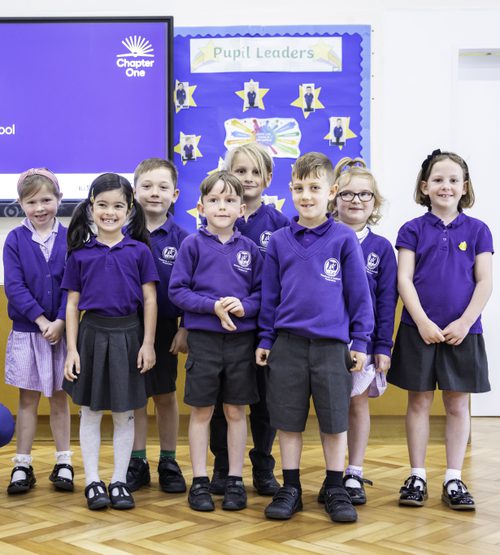
ELI Impact Story: Roselands Infants’ School
Helping children to “be the best we can be”Find out more
-
Impact Story
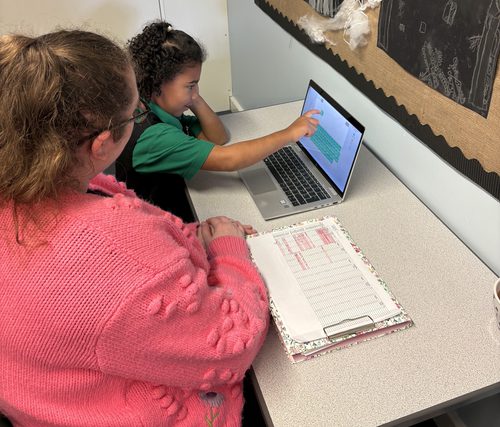
ELI Impact Story: Wembrook Primary School
Supporting learners to “believe and achieve”Find out more